Why Choose Steel Building Systems for Global Projects?
Why Choose Steel Building Systems for Global Projects?
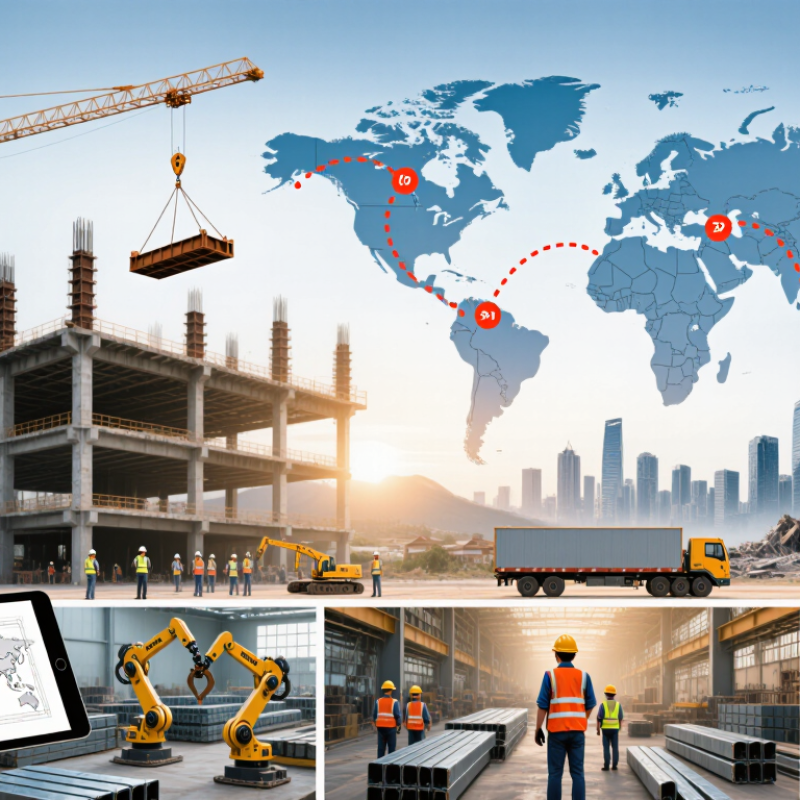
Across continents, project teams face tight schedules, changing climates, and demanding performance requirements. Steel building systems offer a practical response because they combine structural strength, predictable fabrication, and efficient site assembly. Components can be produced under controlled factory conditions, then transported to urban sites, remote regions, or areas requiring rapid reconstruction. A steel frame may arrive as numbered columns, beams, and connections, ready for cranes and trained crews.
Structural engineer Fazlur Rahman Khan said, “The technical man must not be lost in technology.” His warning remains relevant. Steel is powerful, but successful projects depend on thoughtful design, verified calculations, and cooperation between architects, engineers, manufacturers, and local contractors. Experienced teams also review wind loads, seismic conditions, corrosion exposure, fire protection, transport limits, and regional construction practices before production begins.
The advantages are not automatic. Poor detailing can create expensive delays. Inadequate coatings may shorten service life near coastlines. Some projects also underestimate transportation emissions or the skills required for field connections. These weaknesses deserve attention, not concealment. With digital coordination, traceable materials, qualified inspection, and adaptable connection design, steel building systems can support reliable international delivery. They can reduce onsite waste and simplify future alterations. More importantly, they provide measurable performance rather than vague promises. A successful global steel project is not merely strong; it is documented, maintainable, and suited to the people who will use it.
What Are Steel Building Systems?
Steel building systems are coordinated structures designed from connected steel parts rather than built piece by piece on site. A typical system includes columns, beams, roof frames, wall panels, fasteners, insulation, and protective coatings. Engineers calculate how these components carry weight, resist wind, and transfer forces safely into the foundation.
In global projects, many parts are cut and prepared in controlled factory conditions. This can improve dimensional accuracy and reduce site waste. Crews may then assemble frames with cranes and bolted connections, even in remote locations. Before construction, engineers must study local soil, snow loads, seismic activity, humidity, and building regulations. A design suitable for a dry inland site may fail near a salty coastline without proper protection.
Steel systems also support future changes. A warehouse can gain a mezzanine, wider openings, or additional service platforms when the original structure allows them. Yet steel is not automatically the cheapest or simplest choice. Transport distance, coating requirements, fire protection, and skilled installation can increase costs. Thermal bridging can also reduce energy performance if insulation details are poorly planned. That part is often underestimated. Reliable results depend on accurate drawings, verified materials, careful inspections, and communication between designers and local contractors. The system is strong, but its success still depends on ordinary details.
How Steel Building Systems Support Global Construction
Steel building systems support global construction by combining repeatable fabrication with adaptable site assembly.
Engineers can coordinate columns, beams, panels, and connections through shared digital models. This reduces interpretation errors when teams work across languages and time zones. Factory production also supports measurable quality checks, including weld inspections, coating thickness, and bolt verification. Yet standardization is not automatic success. Local wind speeds, seismic conditions, fire rules, and soil behavior still require regional engineering review. A design copied without adjustment can create expensive problems.
On remote projects, steel’s high strength-to-weight ratio can simplify transport.
Components may arrive in labeled bundles, then move by truck, barge, or crane. Shorter erection periods can reduce labor exposure, weather delays, and disruption near occupied facilities. Proper sequencing matters. A missing connection plate can stop an entire crew. Experienced contractors therefore confirm shipping lists, lifting plans, temporary bracing, and inspection records before installation. Digital tracking helps, but it does not replace a person checking the crate.
Steel systems also allow future changes.
Interior layouts, mezzanines, and service routes can be modified more easily than many permanent structures. Designers should plan for maintenance access, corrosion protection, and eventual disassembly from the beginning. Reuse is possible, though it is not guaranteed. Bolted connections, clear material records, and careful deconstruction improve that chance. Project teams should document decisions, test assumptions, and invite independent review. Global construction rewards consistency, but thoughtful local judgment keeps consistency from becoming rigidity.
Key Benefits for International Projects
Why Choose Steel Building Systems for Global Projects?
Key Benefits for International Projects
For international projects, steel building systems provide predictable quality and faster site assembly. Fabricated columns, beams, and panels arrive with controlled dimensions. This reduces cutting, welding, and material waste at the jobsite. Predictability matters. A clear installation sequence also helps teams coordinate cranes, deliveries, and local labor.
Global construction involves different climates, transport routes, and building regulations. Experienced engineers can adapt structural designs to wind, snow, seismic, and temperature requirements. They also review connection details before fabrication. Small errors become expensive when components cross borders. Accurate drawings, inspection records, and packing lists support customs clearance and site control.
Steel systems can reduce foundation loads because of their efficient strength-to-weight ratio. They also allow future expansion when a facility needs more storage or production space. However, steel is not automatically the best answer. Corrosion protection, fire performance, insulation, and drainage require careful planning. A missed coating detail can create maintenance problems in humid regions. Project teams should verify material certificates, testing procedures, and local code compliance before production. Digital coordination helps, but it does not replace physical inspections. Local feedback remains essential, especially when installation conditions differ from the original plan.
Design, Standards, and Regulatory Considerations
Why Choose Steel Building Systems for Global Projects?
Steel building systems suit global projects because they combine repeatable fabrication with adaptable structural design. World Steel Association’s World Steel in Figures 2024 reported 1.89 billion tonnes of crude steel production in 2023. This scale supports broad material availability, but supply does not guarantee compliance. Engineers must verify grades, traceability, welding procedures, and inspection records for each location.
Design decisions should follow the project’s governing standards, not habit. Eurocode 3, the International Building Code, and national seismic or wind provisions may produce different member sizes and connection details. Fire resistance, corrosion exposure, drainage, and local foundation conditions also require early review. Information management aligned with ISO 19650 can reduce drawing conflicts across international teams. Still, coordination is rarely perfect. Some assumptions will fail. A missed tolerance can affect fabrication, transport, and site assembly.
Tips: Create a regulatory matrix before design development. Record each required standard, authority, test, and approval. Confirm bolt grades and welding qualifications with local inspectors. Use climate-specific corrosion protection, especially near coastlines. Keep revision-controlled models and inspection photographs. A practical peer review should challenge optimistic schedules, because steel delivery and permitting may follow different timelines.
Why Choose Steel Building Systems for Global Projects?
Design, standards, and regulatory considerations reflected through common structural steel strength grades.
Structural steel grades provide predictable strength for internationally engineered building systems. The values shown are nominal minimum yield strengths for common European structural steel grades under EN 10025; actual requirements vary by product thickness, section type, national design rules, fire performance, seismic conditions, and project-specific regulations. Global projects may also require coordination with regional standards such as Eurocode 3, AISC 360, CSA S16, or AS 4100.

 Getting the Most Out of Your Metal Building
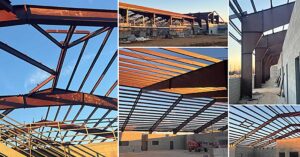 Newsletter September 2025
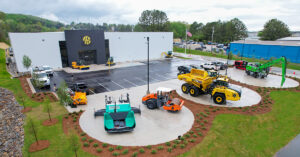 Construction Benefits to Know About the One Big Beautiful Bill Act
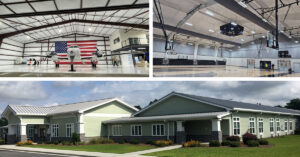 Unexpected Uses for Metal Buildings You Might Not Have Thought Of
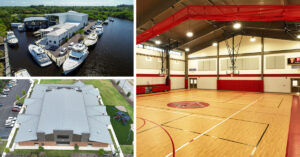 The Most Common Metal Building Misconceptions We Hear (Part 2)
 Vulcan Steel Structures Marks 40 Years of Innovation and Growth in Metal Building Manufacturing