How to Choose an Engineered Steel Building Supplier?
Choosing an engineered steel buildings supplier is not just a price comparison. It is a decision about design coordination, fabrication quality, delivery timing, and support after installation. A low quote can look convincing. Then a connection detail changes, or a truck arrives before the foundation is ready. Ask who checks drawings, how revisions are tracked, and what happens when site conditions differ from the plans.
The scale of steel’s reuse matters, but it cannot prove that one supplier is dependable. worldsteel reports that roughly 630 million tonnes of steel scrap are recycled globally each year, avoiding about 950 million tonnes of CO₂ emissions. That is useful context, not a supplier scorecard. Architect and former AIA president Carl Elefante’s widely cited observation is, “The greenest building is the one that is already built.” For buyers, that points toward service life, maintainability, and practical design—not slogans alone. Request project references with comparable spans, loads, and use. Review certifications, engineering responsibilities, coating specifications, and delivery records. Confirm which items are included in the proposal. Small exclusions can become expensive later.
No checklist is perfect. A polished brochure cannot show how a supplier handles a late drawing change. Compare evidence, not promises, and ask specific questions before signing. The right partner should explain trade-offs plainly and document answers. That is a stronger starting point for evaluating engineered steel buildings.
Define Project Requirements for an Engineered Steel Building
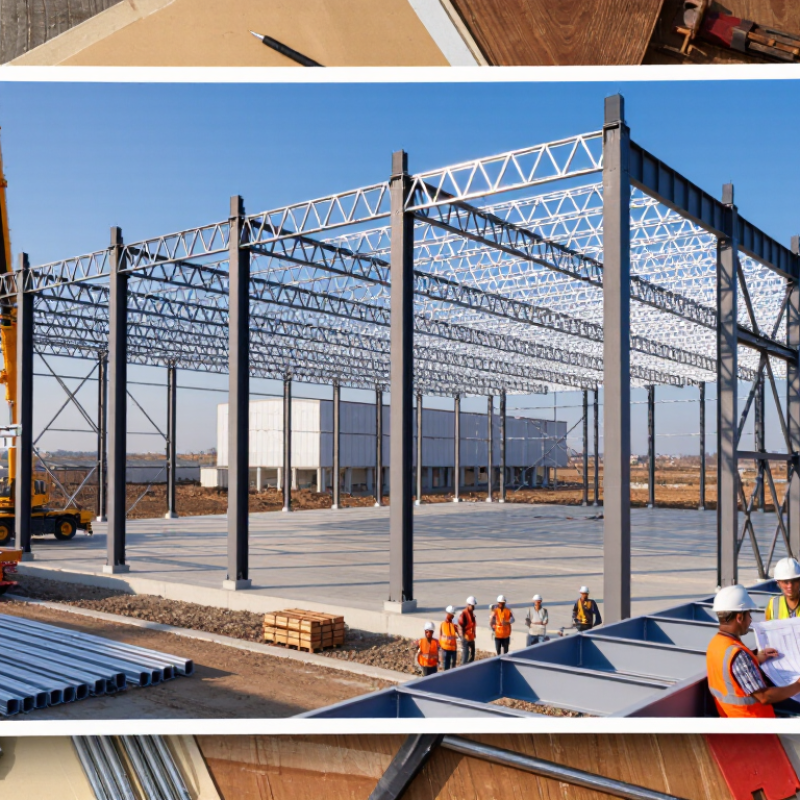
Before comparing suppliers, define what the building must do. A workshop, warehouse, and livestock shelter have different layout, ventilation, and access needs. Write down the intended use. Then record the building footprint, clear-span requirements, eave height, roof pitch, and locations for doors or loading bays. A large sliding door can affect both the frame layout and daily workflow.
Describe the site, too. Share available information about soil, drainage, exposure to wind or snow, and other relevant local design criteria. Note whether the building needs insulation, corrosion protection, overhead cranes, or room for future expansion. Small omissions matter. A forgotten vehicle turning area can make a practical floor plan frustrating. Early estimates are often imperfect; label assumptions clearly instead of treating them as confirmed facts. Include drawings, photos, and a simple equipment list when possible. This gives suppliers a consistent basis for proposals and helps reveal what each estimate includes. Ask how the proposed design addresses foundations, connections, delivery access, and erection sequence. A clear brief will not solve every design question, but it makes those questions easier to identify and verify.
Assess Supplier Experience and Technical Capabilities
A supplier’s experience matters most when its past projects resemble your site, spans, and operating demands. Ask for examples with clear column grids, crane loads, roof equipment, and similar wind or snow exposure. Then review the engineering team’s qualifications and design workflow. Can they explain load paths, connection details, deflection limits, and how revisions reach the fabrication floor? Request sample calculations, coordinated drawings, and a written list of design assumptions. Details matter.
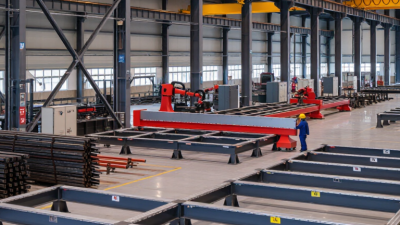
Check how the supplier controls fabrication quality, not just how polished its proposal looks. Ask who reviews welds, tracks material certificates, and records drawing changes. Confirm whether engineering and fabrication are handled in-house or by subcontractors, and who owns coordination gaps. The 2024 Construction Hiring and Business Outlook survey from the Associated General Contractors of America found that 94% of firms with open positions struggled to find qualified workers; 54% reported project delays tied to labor shortages. That makes staffing plans and realistic production schedules worth checking, too. A quick factory visit can reveal practical habits: labeled steel bundles, current shop drawings, and clear inspection records. A certificate alone is not proof of fit. Ask what its scope covers, and what happens when field conditions differ from the drawings. I’d still want answers in writing.
Verify Design Standards, Materials, and Quality Controls
A reliable engineered steel building supplier should show how its design basis, material records, and inspection checks connect. Ask which edition of AISC 360 governs the structural design, and request calculations for the project’s stated loads. For common wide-flange shapes, ASTM A992 specifies a 50 ksi minimum yield strength. Numbers matter. Match the mill test report’s heat number to the identification on delivered members; a paperwork mismatch deserves clarification before erection.
The World Steel Association’s World Steel in Figures 2024 reports 1,892.2 million tonnes of crude steel production in 2023. That scale describes the market, not any supplier’s quality. Ask for traceable material certificates, weld inspection records, and coating-thickness checks tied to your order. Confirm which welding standard and inspection methods apply, and who reviews nonconforming work. Look closer. A polished certificate alone does not prove that every beam on site matches it.
Design drawings should identify connection details, bracing, and the assumptions behind load calculations. Request the supplier’s documented quality-control process, including inspection hold points and corrective actions. I would not treat a certificate as proof that every delivered member matches it; spot-checking labels and measurements is sensible. One detail can be missed. A supplier who explains exceptions clearly is more credible than one who promises perfect results.
Compare Proposals, Pricing, and Contract Terms
Compare proposals line by line, not just by total price. One quote may include insulation, doors, gutters, and installation, while another lists them as extras. Check the building dimensions, steel specifications, coating details, and design loads. Ask each supplier to identify exclusions in writing. A low price can look attractive until missing items appear.
Tips: Use a simple comparison sheet. Record the same details for every proposal, including delivery dates, payment milestones, and site-work assumptions. Ask for clarification on any vague allowance. Small gaps matter.
Review contract terms before choosing. Confirm what drawings and calculations are included, how design changes are priced, and who coordinates delivery and installation. Check the schedule for approval, fabrication, and shipping milestones. Make sure warranties state what they cover and how claims are handled. Keep written answers with the contract. A neat proposal is not proof of a smooth project; sometimes the clearest document still leaves a practical question unanswered. Have the supplier explain responsibilities for unloading, storage, and weather delays, especially if the site has limited access.
Review Delivery, Installation, and After-Sales Support
A dependable supplier should explain how delivery dates are set, not simply promise a confident window. Ask for a shipment schedule tied to fabrication milestones, truck access, and unloading equipment. A marked packing list matters. Confirm who checks quantities and steel identification before dispatch. Photograph any visible damage when the load arrives and record it promptly. Small delays happen.
Before installation, request current erection drawings, anchor-bolt details, and a clear list of work assigned to your contractor. The supplier should name a technical contact who can answer field questions promptly. Ask how drawing revisions are handled when a column base or opening differs from site conditions. That detail saves rework. Check whether the quote includes installation supervision, lifting requirements, and travel costs; assumptions can hide in those details. Site conditions change, sometimes after crews are booked.
After installation, clarify what support remains available and how to request it. Get expected response times for technical questions, plus a direct process for reporting defects. Request warranty terms in writing, including coverage limits and the documents needed to make a claim. Keep a digital file of drawings, delivery records, and inspection notes. A slow reply can be costly. Ask for a realistic service commitment, not a vague assurance.
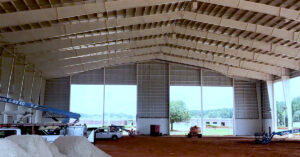 Getting the Most Out of Your Metal Building
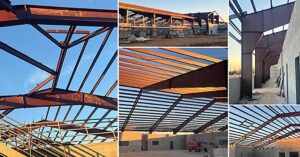 Newsletter September 2025
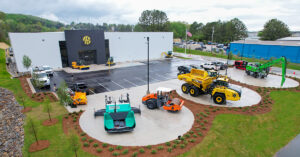 Construction Benefits to Know About the One Big Beautiful Bill Act
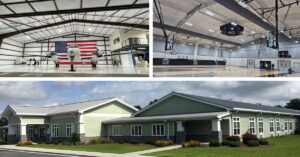 Unexpected Uses for Metal Buildings You Might Not Have Thought Of
 The Most Common Metal Building Misconceptions We Hear (Part 2)
 Vulcan Steel Structures Marks 40 Years of Innovation and Growth in Metal Building Manufacturing