China Top Steel Buildings Suppliers for Global Buyers
China’s steel buildings industry serves contractors, developers, and industrial buyers across diverse markets. The World Steel Association’s World Steel in Figures 2025 reports that China produced approximately 1,005 million tonnes of crude steel in 2024. That represented more than half of global output. Scale matters, but it does not guarantee dependable project delivery.
A capable supplier should demonstrate more than factory size. Buyers need verified material certificates, traceable welding records, accurate shop drawings, and clear coating specifications. ISO 9001 certification can support process control, while EN 1090, AWS, or equivalent standards may apply to specific projects. The OECD’s recent steel market analysis also highlights continuing capacity and pricing pressures. Therefore, an unusually low quotation deserves careful review. It may exclude testing, protective coatings, engineering changes, or export packaging.
Details reveal experience.
Inspect how suppliers protect columns during loading. Ask whether bolt holes are CNC-drilled or manually adjusted onsite. Check weld inspection methods, galvanized thickness, fire-resistance documentation, and replacement procedures for damaged components. These practical points often matter more than polished factory photographs.
This guide examines leading Chinese suppliers of steel buildings for global buyers. It considers manufacturing capability, engineering support, certifications, delivery performance, customization, and after-sales communication. Rankings are never perfect. Supplier quality can vary between projects, and published claims still require independent verification. Buyers should compare drawings, samples, references, and contractual terms before selecting a partner. Reliable steel buildings begin with evidence, not promises.
What Defines a Top Steel Building Supplier in China
What Defines a Top Steel Building Supplier in China
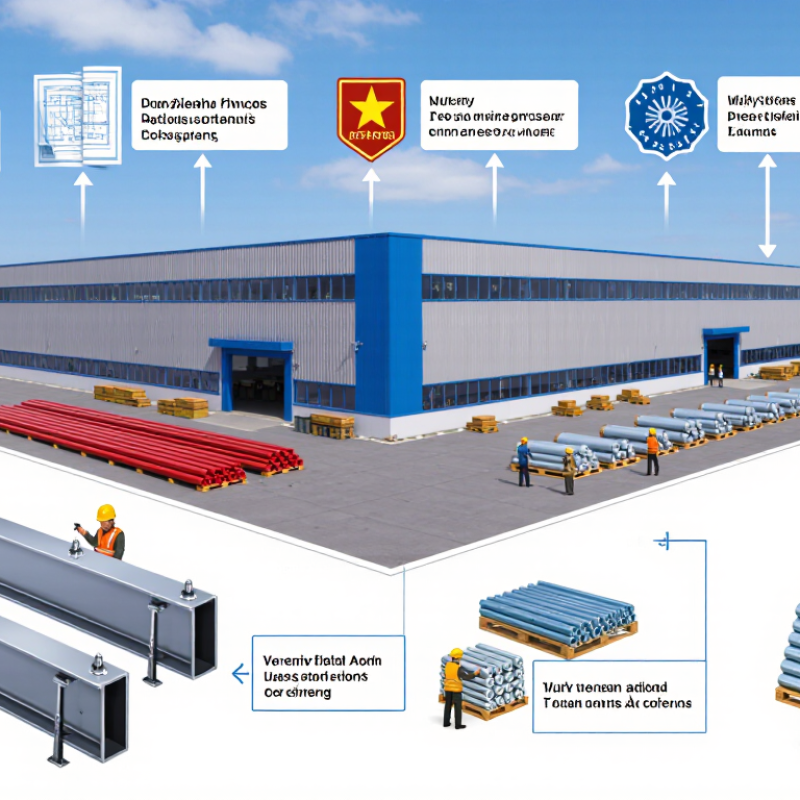
A top steel building supplier begins with engineering, not a glossy quotation. The supplier should convert local wind, snow, seismic, and soil data into verifiable structural calculations. Experienced teams also review crane loads, fire protection, drainage, and connection details before fabrication. This practical step prevents expensive changes after the first column arrives.
Material control must remain visible. The World Steel Association reported approximately 1.89 billion tonnes of crude steel production in 2023, yet volume does not guarantee project quality. Reliable suppliers provide mill test certificates, heat-number traceability, welding procedures, inspection records, and coating-thickness results. Photographs alone are weak evidence. Independent inspections, calibrated measuring tools, and documented nonconformity handling offer stronger assurance. Small details matter.
Delivery capability also separates strong suppliers from ordinary exporters. A dependable factory issues approved shop drawings, packs members by erection sequence, and protects painted surfaces during loading. The International Energy Agency identifies steelmaking as responsible for roughly 8% of global energy-related emissions. Therefore, buyers should request material-efficiency data, recycled-content information, and realistic transport planning. However, carbon claims can be incomplete. Buyers should question unclear boundaries and compare the same measurement method. No supplier is perfect. That assumption deserves testing through factory audits, sample inspections, reference projects, and contract-defined acceptance criteria.
China Top Steel Buildings Suppliers for Global Buyers - What Defines a Top Steel Building Supplier in China
| Evaluation Dimension | What Top Suppliers Typically Provide | Relevant Benchmark or Standard | Buyer Verification Method | Why It Matters |
|---|---|---|---|---|
| Engineering Capability | Stamped structural drawings, connection details, load calculations, material schedules, and coordinated architectural or MEP information. | Applicable local building code; common international references include AISC, Eurocode, BS, AS/NZS, and GB standards. | Request sample calculation packages and confirm review by qualified structural professionals where required. | Reduces design conflicts, approval delays, and site modifications. |
| Steel Material Traceability | Material certificates, heat or batch identification, inspection records, and documented control of incoming steel. | Material grades and testing should match the project specification and the selected national or international standard. | Compare mill certificates with piece marks, packing lists, and delivery documents. | Confirms that supplied steel matches the approved design and specification. |
| Fabrication Accuracy | Computer-controlled cutting, drilling, welding, fit-up, dimensional inspection, and clear part marking. | Fabrication tolerances should be defined in the contract and aligned with the governing steelwork execution or fabrication standard. | Review inspection and test plans, dimensional reports, weld maps, and production photographs. | Improves site fit-up and lowers rework, installation time, and labor cost. |
| Welding Quality | Qualified welding procedures, welder qualification records, visual inspection, and non-destructive testing when specified. | ISO 3834, AWS D1.1, EN 1090, or another contractually specified welding and execution standard. | Ask for WPS, PQR/WPQR, welder certificates, NDT reports, and corrective-action records. | Controls structural reliability and helps satisfy third-party inspection requirements. |
| Corrosion Protection | Surface preparation records, coating system specifications, dry-film thickness readings, or hot-dip galvanizing documentation. | ISO 12944 for protective paint systems; ISO 1461 for hot-dip galvanized coatings, where applicable. | Check environmental exposure category, coating datasheets, surface preparation grade, and inspection reports. | Extends service life and prevents premature coating failure in humid, coastal, or industrial environments. |
| Building Envelope Performance | Specified roof and wall panels, insulation options, flashing details, drainage provisions, and weather-sealing methods. | Thermal, fire, wind, snow, and water-tightness requirements should follow the project location and local code. | Review panel technical data, U-value or R-value calculations, fire classifications, and sample details. | Affects energy use, occupant comfort, durability, and compliance. |
| Production Capacity | Defined monthly capacity, identifiable production lines, material-storage controls, and a documented project schedule. | Capacity should be assessed against the actual tonnage, complexity, delivery window, and quality-control requirements. | Request a capacity statement, current production plan, factory audit, and references for comparable projects. | Helps avoid schedule slippage caused by overbooking or insufficient equipment. |
| Quality Management | Documented inspection points, nonconformance procedures, calibration records, final release checks, and corrective actions. | ISO 9001 certification can support a quality system, but it should not replace project-specific inspection evidence. | Verify certificate scope and validity, then review inspection plans and quality dossiers. | Creates repeatable controls from procurement through shipment. |
| Export Documentation | Commercial invoice, packing list, bill of lading, certificates of origin where required, installation documents, and export packaging records. | Documents should follow the agreed Incoterms® rule, customs requirements, and destination-country regulations. | Approve a document checklist before production and confirm responsibilities in the purchase contract. | Reduces customs holds, cargo disputes, and unloading problems. |
| Packaging and Logistics | Moisture-resistant protection, lifting points, container-load plans, part labels, and packing lists linked to erection drawings. | Packaging must suit the transport mode, cargo dimensions, weather exposure, and destination handling conditions. | Review loading photos, container plans, package weights, and identification systems before dispatch. | Protects components and simplifies receiving and installation. |
| Installation Support | Erection manuals, assembly drawings, bolt schedules, remote technical support, and optional on-site supervision. | Support should reflect the project’s local safety rules, lifting plan, temporary works, and inspection requirements. | Clarify response times, language, travel scope, training, and responsibility for site errors. | Supports safer, faster, and more predictable construction. |
| Commercial Transparency | Itemized quotations covering steelwork, cladding, accessories, engineering, packaging, shipping terms, taxes, and exclusions. | The quotation should clearly state currency, validity period, payment milestones, Incoterms®, lead time, and change-order rules. | Compare like-for-like scope and obtain written clarification for all exclusions and allowances. | Prevents hidden costs and makes supplier comparisons more accurate. |
| After-Sales Responsibility | Defined warranty terms, spare-part availability, claims procedure, technical response process, and document retention. | Warranty duration and exclusions should be written specifically for structure, coating, panels, accessories, and workmanship. | Review the warranty certificate, response commitments, inspection procedure, and dispute-resolution clause. | Provides protection after delivery and clarifies accountability throughout the project lifecycle. |
Related Posts
-
What Are Engineered Steel Buildings and How Do They Work?
-
What Are the Top Engineered Steel Buildings?
-
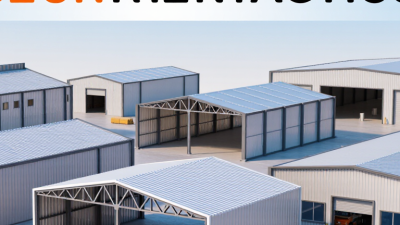
7 Best Steel Building Kits for Global Buyers in 2026?
-

2026 Best Pre Engineered Steel Building Options for Your Next Project?
-
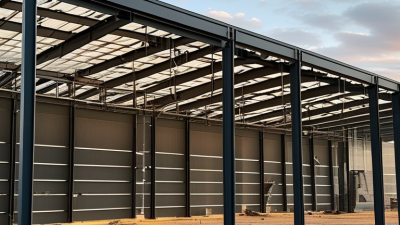
How to Choose the Best Steel Building Systems?
-
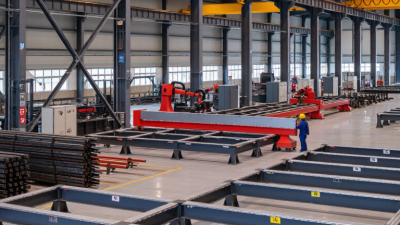
China Top 10 Engineered Steel Buildings Manufacturers?
 Getting the Most Out of Your Metal Building
 Newsletter September 2025
 Construction Benefits to Know About the One Big Beautiful Bill Act
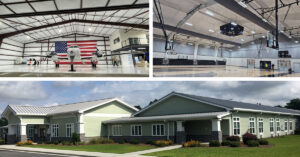 Unexpected Uses for Metal Buildings You Might Not Have Thought Of
 The Most Common Metal Building Misconceptions We Hear (Part 2)
 Vulcan Steel Structures Marks 40 Years of Innovation and Growth in Metal Building Manufacturing