How to Use Steel Framing for Your Next Construction Project?
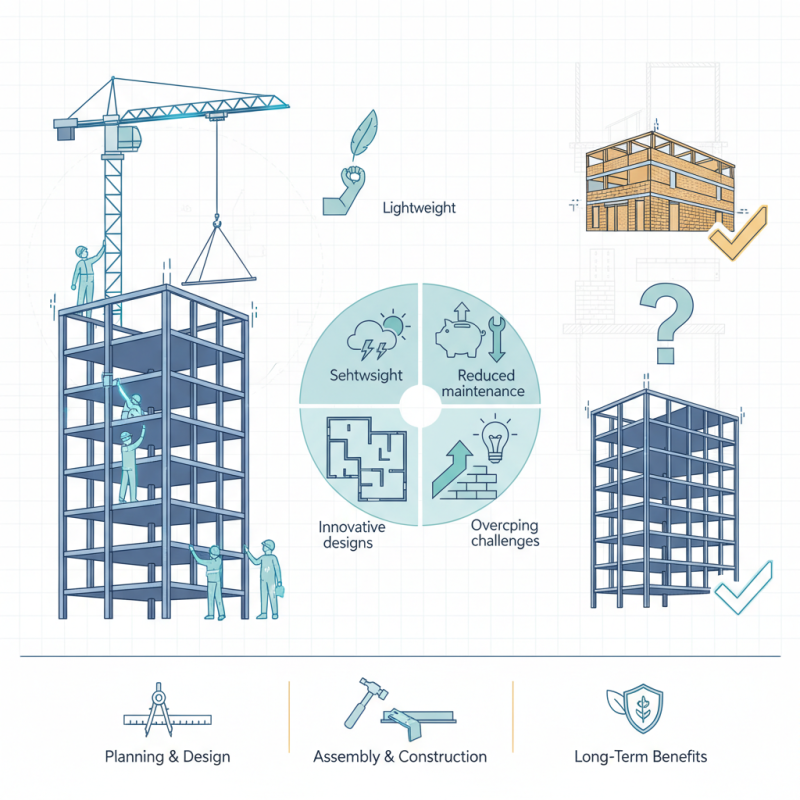
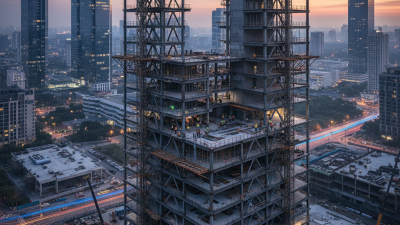
Steel framing is transforming the construction industry. It offers strength and durability for various structures. This technique uses steel columns, beams, and studs. Builders appreciate its lightweight nature and resilience against harsh weather.
Additionally, steel framing is cost-effective. It can reduce maintenance expenses over time. However, some builders still hesitate to adopt this method. They worry about initial costs or lack of experience. This mindset can limit project potential.
Exploring steel framing can lead to innovative designs. It allows for open spaces and flexible layouts. Embracing this method may seem daunting. Yet, the benefits often outweigh the challenges. Choosing steel framing might just be the key to modern construction success.
Understanding Steel Framing: An Overview of Its Benefits and Applications
Steel framing has gained popularity in modern construction. It offers several advantages over traditional wood framing. This method is durable and resistant to termites and rot. Steel can withstand extreme weather conditions, making it a reliable choice for buildings in various climates.
One significant benefit of steel framing is its strength-to-weight ratio. This means structures can be built taller without compromising stability. Steel is also recyclable, which contributes to sustainable building practices. However, the initial cost of steel may be higher than wood. This can be a point of concern for budget-conscious projects.
Additionally, steel framing allows for flexible designs. Architects can create open spaces without support beams in the way. Yet, the installation requires skilled labor and proper tools. Mistakes can lead to costly adjustments. Understanding these aspects is crucial for a successful construction project.
Selecting the Right Steel Framing Materials for Your Construction Needs
When selecting steel framing materials for your construction needs, consider the project's specific demands. Not all steel is the same. There are different grades and types of steel available. Mild steel is common for many projects due to its strength and flexibility. It is often easier to work with, suitable for both residential and commercial buildings.
Another important factor is the coating type. Hot-dipped galvanized steel offers corrosion resistance. This can be crucial in areas with high humidity. On the other hand, painted steel can provide aesthetic appeal but may require more maintenance over time. Ensure you align the selection with long-term use and environmental conditions.
Take note of the weight of the framing materials as well. Heavier steel might provide more strength but can increase transportation and labor costs. Sometimes, lighter options may suffice, especially for interior applications. Don't overlook the necessity of precise measurements too. Improperly sized materials can lead to construction delays. Choosing the right steel means considering these details carefully.
How to Use Steel Framing for Your Next Construction Project?
| Material Type |
Thickness (inches) |
Weight (lbs/ft) |
Typical Use |
| Cold-Formed Steel |
0.0349 |
0.68 |
Lightweight structures, interior framing |
| Structural Steel |
0.25 |
6.7 |
High-load bearing, industrial buildings |
| Steel Studs |
0.5 |
1.2 |
Framing walls, partition applications |
| Steel Beams |
0.4 |
4.5 |
Support for roofs, heavy loads |
Step-by-Step Guide to Planning a Steel Framing Project
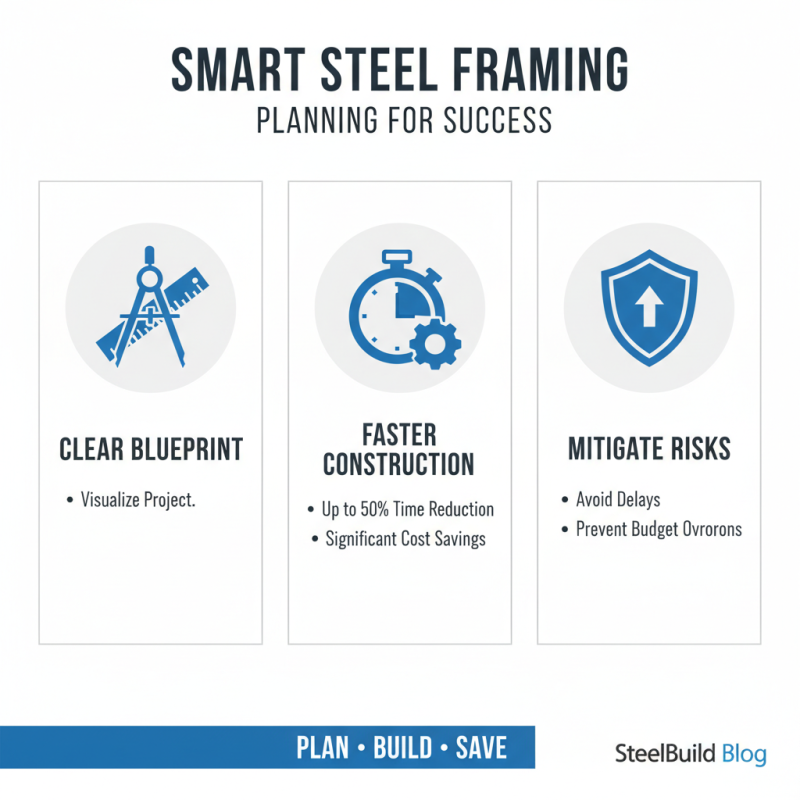
When planning a steel framing project, start with a clear blueprint. Research shows that steel structures can reduce construction time by up to 50%. This can lead to significant cost savings. However, improper planning may result in delays and budget overruns. It’s essential to visualize the entire project before breaking ground.
Choose the right tools and materials early on. Consider the environmental impact. Data indicates that steel is 100% recyclable and can greatly reduce waste. Yet, ensure that the site is prepared correctly to avoid unexpected challenges. Having contingency plans in place can save time and resources later.
Be mindful of potential missteps. For example, failing to account for local building codes can lead to expensive rework. Engaging with experienced professionals helps avoid such pitfalls. Remember, even with the best planning, issues may arise that need quick thinking. Adaptability is crucial for success in construction projects.
Techniques for Assembling and Installing Steel Frames Safely
When working with steel framing, safety should always be the top priority. Use proper personal protective equipment, like helmets and gloves. Ensure everyone on site is aware of safety protocols. It’s easy to overlook safety in the excitement of building, but accidents can happen quickly. Make safety meetings regular, and encourage open communication about any hazards.
Before starting the assembly, double-check that all pieces fit together correctly. Misalignments can lead to structural issues later. Always use the right tools for cutting and joining steel. If a tool is not working properly, stop and seek help. This can save time and prevent injuries. Ensure scaffolding is secure and stable. Unstable platforms can lead to falls, a risk not worth taking.
During installation, work slowly and deliberately. Take regular breaks to avoid fatigue. Sometimes, rushing can lead to mistakes, like misplacing a frame or using the wrong bolt. Keep a tidy work area to minimize tripping hazards. Encourage your team to speak up if they notice unsafe conditions. Every step in the process requires careful attention to detail. Continuous reflection on methods can improve future projects.
Steel Framing Techniques and Safety Measures
Common Challenges in Steel Framing and How to Overcome Them
Steel framing offers several advantages, but it also presents challenges. One common issue is the susceptibility of steel to corrosion. According to a report by the American Galvanizers Association, steel's lifespan can be significantly affected by environmental conditions. Proper coatings are essential to mitigate rust. This requires careful planning upfront rather than corrective measures later.
Alignment during installation can also pose challenges. Misalignment can lead to structural integrity issues. A study from the Structural Engineering Institute shows that nearly 30% of steel projects face delays due to alignment problems. Consistent checks and using advanced technology can help. Regular inspections ensure that elements are straight, providing structural reliability.
Some professionals note that working with steel requires specialized skills. Training can be a hurdle for teams accustomed to wood framing. Investing in comprehensive training programs can increase efficiency. However, realistically, this can lead to initial downtime and increased costs. Balancing training with project timelines is crucial for overall success.



 Getting the Most Out of Your Metal Building
 Newsletter September 2025
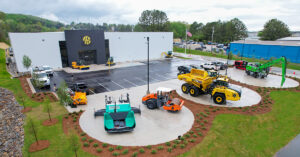 Construction Benefits to Know About the One Big Beautiful Bill Act
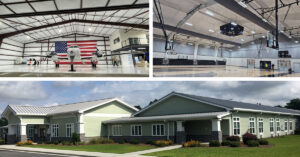 Unexpected Uses for Metal Buildings You Might Not Have Thought Of
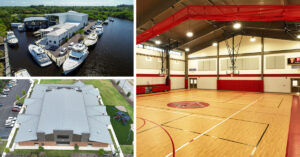 The Most Common Metal Building Misconceptions We Hear (Part 2)
 Vulcan Steel Structures Marks 40 Years of Innovation and Growth in Metal Building Manufacturing