What is Steel Building Structures and Their Benefits?
Steel building structures are becoming increasingly popular in construction. These buildings are made primarily from steel, which offers exceptional strength and durability. They are often used for commercial, industrial, and residential projects. Steel building structures provide versatile design options and can be customized to meet specific needs.
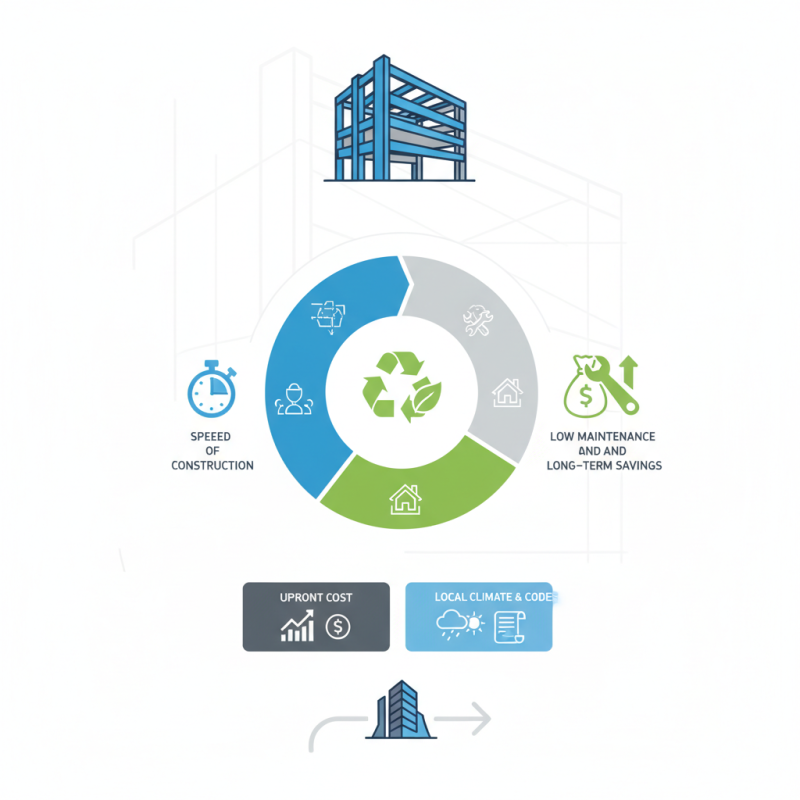
One notable benefit of steel building structures is their speed of construction. Pre-engineered components can be quickly assembled on-site. This can significantly reduce project timelines and labor costs. Additionally, steel is recyclable, making these structures environmentally friendly.
While steel buildings can be more expensive upfront, their long-term benefits are worth considering. They require less maintenance, which can lead to substantial savings over time. However, potential buyers should reflect on local climate factors and building codes that could impact their decision. Ultimately, steel building structures are a modern solution with many advantages and a few considerations.
Definition and Characteristics of Steel Building Structures
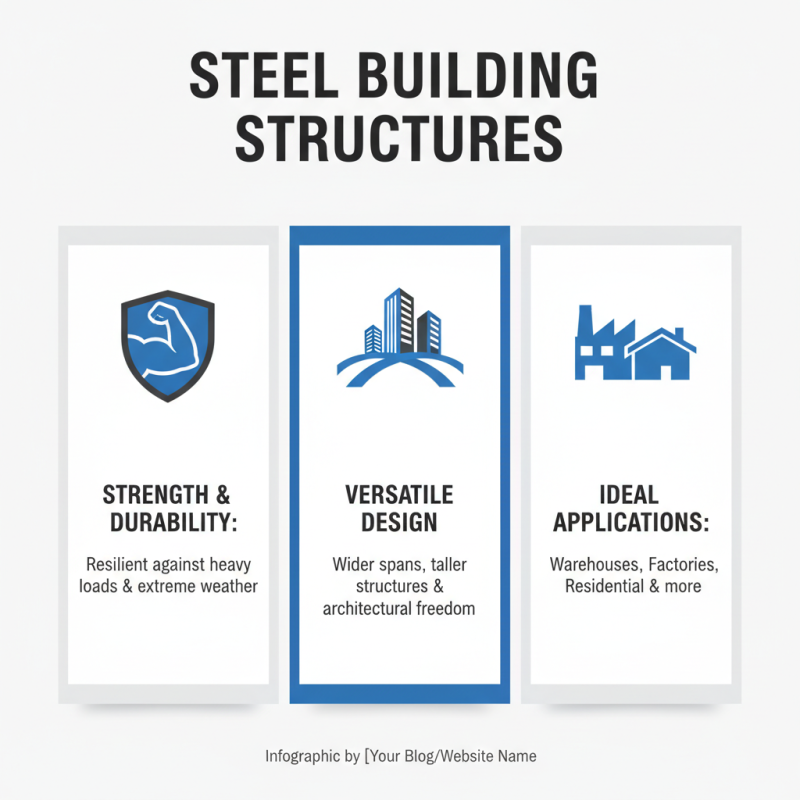
Steel building structures are noteworthy for their durability and strength. These structures utilize steel for their framework, allowing for wider spans and taller buildings. They can sustain heavy loads and remain resilient against extreme weather. This makes them ideal for various applications, including warehouses, factories, and even residential buildings. The versatility of steel also allows for intricate designs, providing aesthetic appeal.
Tips: Consider the environment when choosing materials. Steel is recyclable, which can lower carbon footprints. However, production can be energy-intensive.
Another characteristic is their quick assembly. Steel components are prefabricated, which reduces construction time. This speed is beneficial for projects with tight deadlines. However, the reliance on skilled labor remains essential. Quality workmanship can vary, sometimes leading to structural flaws.
Tips: Always conduct thorough inspections. Small mistakes during assembly can result in significant issues later. Planning is paramount for successful implementation.
Types of Steel Building Structures Commonly Used Today
Steel building structures have gained immense popularity in recent years. They offer durability and versatility. Various types of steel structures are commonly used today, each catering to unique needs. The most prevalent include steel frame buildings, pre-engineered steel structures, and steel warehouses.
Steel frame buildings are commonly used for commercial and residential projects. They provide excellent strength and support. Research from the American Institute of Steel Construction shows that steel frames can withstand extreme weather conditions better than traditional materials. Pre-engineered steel structures are often used in industrial settings. They are cost-effective and reduce construction time significantly. A report by the National Institute of Standards and Technology highlights that these structures can be assembled in half the time of conventional buildings.
Steel warehouses remain a cornerstone in storage and logistics. Their expansive interior space facilitates efficient storage solutions. However, the initial cost may be higher than alternatives. Some owners express concerns about insulation and temperature control within steel structures. These are legitimate points for further reflection. Each type offers distinct advantages and challenges, shaping the decision-making process in construction projects.
What is Steel Building Structures and Their Benefits? - Types of Steel Building Structures Commonly Used Today
| Type of Steel Structure |
Key Features |
Benefits |
Common Uses |
| Steel Frame Structures |
Durable, strong load-bearing capacity |
Quick construction, low maintenance |
Commercial buildings, warehouses |
| Steel Truss Structures |
Triangular design for stability |
Efficient use of materials, large span capability |
Bridges, large roofs |
| Steel Stud Structures |
Lightweight, easy to assemble |
Cost-effective, adaptable |
Residential buildings, partitions |
| Pre-Engineered Steel Structures |
Factory-made components |
Faster assembly, customizable |
Factories, sports complexes |
| Steel Fabricated Structures |
Complex designs with prefabricated parts |
High precision, reduced construction time |
High-rise buildings, industrial sites |
Advantages of Steel Over Traditional Building Materials
Steel building structures offer numerous advantages over traditional building materials. One significant benefit is their strength-to-weight ratio. Steel can support heavier loads while being lighter than concrete or wood. This characteristic allows for more flexibility in design. Large open spaces can be created without the need for intrusive support beams. This can lead to aesthetically pleasing and functional spaces.
Another crucial advantage is the speed of construction. Steel components are often pre-fabricated, meaning they can be quickly assembled on-site. This expedites the building process, saving time and labor costs. However, while efficiency is a benefit, it can also lead to oversight in quality control. Ensuring every piece is correctly installed becomes essential. Additionally, steel structures are resistant to pests and decay, unlike wood, which can weaken over time. This durability means less maintenance work in the long run.
Nonetheless, some aspects of steel construction warrant reflection. Steel can be more susceptible to corrosion if not properly treated. Furthermore, it typically has a higher initial cost compared to wood. This requires careful planning and budgeting. Not all projects will suit a steel structure perfectly, so evaluating needs is crucial. Balancing the benefits with potential drawbacks is vital for successful outcomes.
Applications of Steel Building Structures in Various Industries
Steel building structures find applications across diverse industries. In the construction sector, they are favored for their strength and flexibility. The National Institute of Steel Detailers reported that steel structures can reduce build time by 30%. Quick assembly leads to earlier project completion, which is important for budget-conscious developers.
In the industrial realm, steel buildings serve manufacturing needs well. According to the American Institute of Steel Construction (AISC), about 80% of factories in the U.S. now utilize steel frames. Steel's durability minimizes maintenance costs. However, some industries still hesitate to adopt steel due to upfront costs. Companies must weigh initial investment against long-term savings.
Warehousing and distribution centers increasingly rely on steel structures. A recent study indicated that up to 70% of new warehouse builds are steel-based. This trend reflects the need for larger spaces and create efficiencies. Yet, there is a growing concern regarding sustainability in steel production. The industry's environmental impact warrants careful consideration. Striking a balance is crucial.
Benefits of Steel Building Structures Across Industries
Steel building structures offer numerous benefits across various industries. In this chart, we display the benefits score of steel structures in five major sectors: Construction, Manufacturing, Transportation, Energy, and Retail. The scores represent their effectiveness in improving efficiency, durability, and cost-effectiveness.
Sustainability and Environmental Benefits of Steel Construction
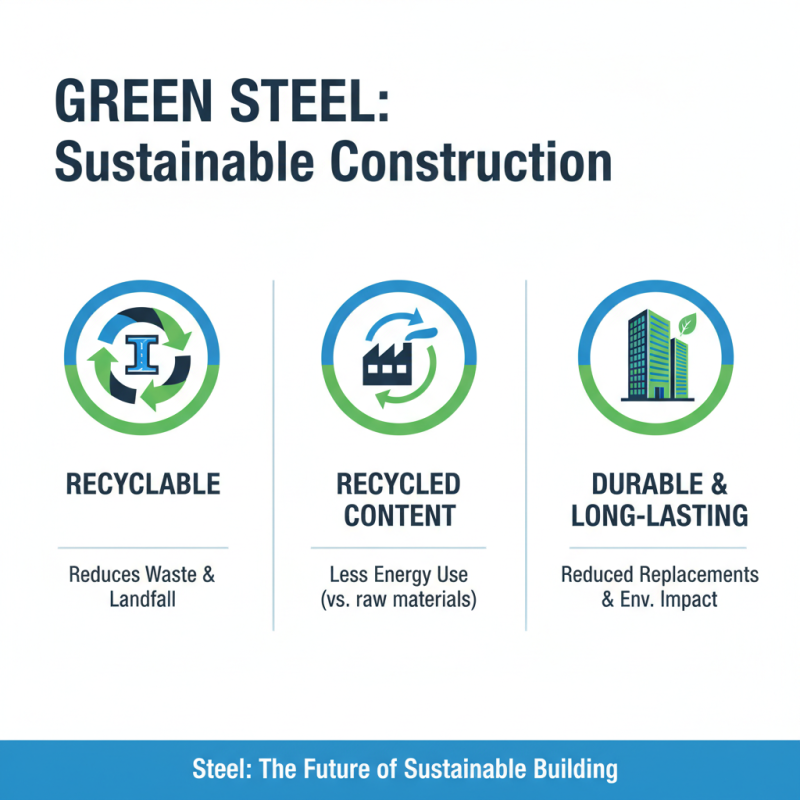
Steel construction is increasingly recognized for its sustainability and environmental benefits. Steel is recyclable, which reduces waste. A significant percentage of steel produced comes from recycled materials. This process uses less energy compared to starting from raw materials. Additionally, steel buildings often have a longer lifespan. Their durability minimizes the need for replacements, leading to less environmental impact over time.
Another benefit lies in the efficiency of steel structures. They can be designed to optimize energy use. Good insulation solutions help reduce heating and cooling needs. This can lower utility costs and carbon footprints. Sustainable designs can also incorporate renewable energy sources, like solar panels, further enhancing their green credentials. However, it's essential to note the energy-intensive nature of producing steel. Each unit requires significant resources. Efforts to improve efficiency in this area are ongoing but can be challenging.
Land use is another concern. Steel buildings often have a smaller footprint. This allows for more green space in urban settings. Yet, the construction process must consider local ecosystems. Proper planning is necessary to minimize disruption. As society progresses, balancing development with environmental responsibility remains an ongoing dialogue.



 Getting the Most Out of Your Metal Building
 Newsletter September 2025
 Construction Benefits to Know About the One Big Beautiful Bill Act
 Unexpected Uses for Metal Buildings You Might Not Have Thought Of
 The Most Common Metal Building Misconceptions We Hear (Part 2)
 Vulcan Steel Structures Marks 40 Years of Innovation and Growth in Metal Building Manufacturing