Why Pre Engineered Buildings Are the Smart Choice for Modern Construction
In the ever-evolving landscape of modern construction, efficiency, sustainability, and cost-effectiveness have become paramount for architects, builders, and project owners. One of the most innovative solutions leading this transformation is the adoption of pre engineered buildings. These structures are not only designed with precision but also offer unparalleled flexibility, allowing for rapid assembly and customization to meet diverse needs. As the demand for quicker construction timelines grows, pre engineered buildings stand out as a smart choice that addresses these challenges through advanced manufacturing techniques and innovative design processes.
Moreover, pre engineered buildings contribute significantly to reducing waste and promoting sustainability within the industry. Their prefabricated components minimize on-site construction time, meaning fewer resources are used, and less disruption is caused to the surrounding environment. This adaptability makes pre engineered buildings not only a practical solution but also an environmentally responsible one, aligning with the growing awareness of ecological impacts within the building sector. As we delve deeper into the advantages of pre engineered buildings, it becomes clear why they are becoming increasingly favored in the modern construction arena, catering to the needs of both builders and end-users alike.

Benefits of Pre-Engineered Buildings in Modern Architecture
Pre-engineered buildings (PEBs) have emerged as a revolutionary approach in modern architecture, offering a multitude of benefits that cater to the demands of today’s construction industry. One of the most significant advantages of PEBs is their efficiency in construction time. Because these buildings are manufactured in a factory setting, they are assembled on-site with precision, resulting in reduced labor costs and faster project completion. This rapid turnaround allows businesses to minimize downtime and start operations sooner, which is crucial for economic viability.
In addition to time savings, pre-engineered buildings are highly customizable. Modern construction projects often require flexibility to accommodate specific design and functional needs. PEBs can be easily tailored to suit individual specifications, whether it’s a warehouse, an office space, or an industrial facility. Moreover, these structures are often more sustainable than traditional buildings, as the manufacturing process typically involves materials that are energy-efficient and environmentally friendly. This emphasis on sustainability aligns with the growing demand for green building practices, making pre-engineered buildings a smart choice for architects and developers who seek to balance aesthetics with functionality.
Cost-Effectiveness: Analyzing Financial Advantages for Builders
Pre-engineered buildings (PEBs) are increasingly recognized as a game-changer in the construction industry, primarily due to their remarkable cost-effectiveness. A comprehensive study by the Construction Industry Institute indicates that adopting PEBs can lead to a reduction in construction costs by up to 30%. This financial advantage can largely be attributed to shorter construction times, as PEBs are designed and fabricated off-site, allowing for simultaneous site preparation. This not only accelerates the building process but also decreases labor expenses, which represent a significant portion of total project costs.
Moreover, the lifecycle cost of pre-engineered buildings often proves to be lower than traditional construction methods. According to data from the American Institute of Steel Construction, PEBs typically require less maintenance due to their durable materials, leading to long-term savings for owners and builders. Additionally, energy-efficient designs integrated into many PEBs can result in reduced operational costs, further enhancing their financial viability. For builders looking to optimize their projects, the data clearly supports the shift toward pre-engineered structures as a prudent investment choice in modern construction.
Time Efficiency: Accelerating Construction Timelines with Prefabrication
Pre-engineered buildings (PEBs) have emerged as a leading solution in modern construction, particularly due to their time efficiency. According to a report by McKinsey & Company, traditional construction methods can take up to 20% longer than projects utilizing prefabrication techniques. By manufacturing components off-site and assembling them on location, PEBs significantly reduce the time spent on the construction site, enabling projects to be completed up to 50% faster. This speed not only leads to cost savings but also minimizes the disruption to surrounding areas during construction.
Furthermore, the National Institute of Building Sciences indicates that using prefabricated components can reduce labor costs by up to 25%. With a more streamlined construction process and fewer on-site workers required, projects can meet tight deadlines without sacrificing quality. The efficiency of PEBs allows for better project scheduling and resource management, making them an attractive option for both contractors and clients looking to optimize their construction timelines and budgets. This growing trend in the construction industry highlights the undeniable advantages of integrating prefabrication and pre-engineered solutions into modern building practices.
Sustainability: Eco-Friendly Aspects of Pre-Engineered Structures
Pre-engineered buildings (PEBs) emerge as a leading choice for modern construction, particularly due to their eco-friendly aspects. The design and manufacturing process of PEBs prioritize sustainability by utilizing materials that are efficient and often recyclable. For instance, steel, a common component of these structures, is highly recyclable and boasts a lower carbon footprint when sourced responsibly. The off-site fabrication of these buildings minimizes waste, as excess materials can be reused in future projects, reducing the environmental impact typically associated with traditional construction.
Moreover, the energy efficiency of pre-engineered structures cannot be overstated. These buildings are often designed with improved insulation and energy-efficient systems that significantly lower energy consumption during their lifecycle. The integration of natural lighting and ventilation options further enhances their sustainability, resulting in lower utility costs for occupants and reduced greenhouse gas emissions. By choosing pre-engineered buildings, developers and businesses alike can play a vital role in promoting eco-friendly practices while also benefiting from cost savings and a quicker construction timeline.
Why Pre Engineered Buildings Are the Smart Choice for Modern Construction - Sustainability: Eco-Friendly Aspects of Pre-Engineered Structures
| Aspect |
Pre-Engineered Buildings |
Traditional Construction |
| Material Efficiency |
Uses around 30% less raw materials |
Higher wastage with more raw material requirements |
| Construction Time |
Faster assembly due to pre-fabrication |
Longer build times with on-site construction |
| Energy Efficiency |
Designed for better insulation and lower energy use |
Often less energy-efficient designs |
| Sustainability Certifications |
Easier compliance with green building standards |
More challenging to achieve sustainability certifications |
| Waste Reduction |
Minimal waste during production and assembly |
Significant waste generated on-site |
Versatility: Adapting Pre-Engineered Buildings for Various Uses
Pre-engineered buildings (PEBs) have become a go-to solution in modern construction due to their exceptional versatility. These structures are designed and fabricated in a factory setting before being transported and assembled on-site, allowing for a range of applications. Whether used for industrial warehouses, commercial spaces, or even recreational facilities, PEBs can be easily customized to fit specific needs. Their modular nature not only streamlines the construction process but also provides architects and builders with the flexibility to adapt designs for different uses without compromising quality or structural integrity.
When considering the adaptability of pre-engineered buildings, it’s essential to keep a few tips in mind. First, assess the primary function of the building early in the planning process. This will ensure that the design accommodates the necessary features, such as loading docks for warehouses or large open spaces for sports complexes. Second, collaborate with a skilled design team familiar with PEBs to explore innovative layouts and material choices that enhance functionality while adhering to budget constraints. Lastly, consider future scalability; designing a building with the potential for expansion can save time and resources later on.
The versatility of pre-engineered buildings makes them an ideal choice for a wide range of applications. Their ability to adapt to various uses not only meets the demands of diverse industries but also offers a sustainable and cost-effective construction solution. By embracing the customizable aspects of PEBs, stakeholders can effectively balance functionality and aesthetics, paving the way for successful construction projects across multiple sectors.




 Getting the Most Out of Your Metal Building
 Newsletter September 2025
 Construction Benefits to Know About the One Big Beautiful Bill Act
 Unexpected Uses for Metal Buildings You Might Not Have Thought Of
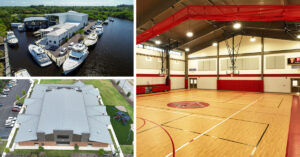 The Most Common Metal Building Misconceptions We Hear (Part 2)
 Vulcan Steel Structures Marks 40 Years of Innovation and Growth in Metal Building Manufacturing